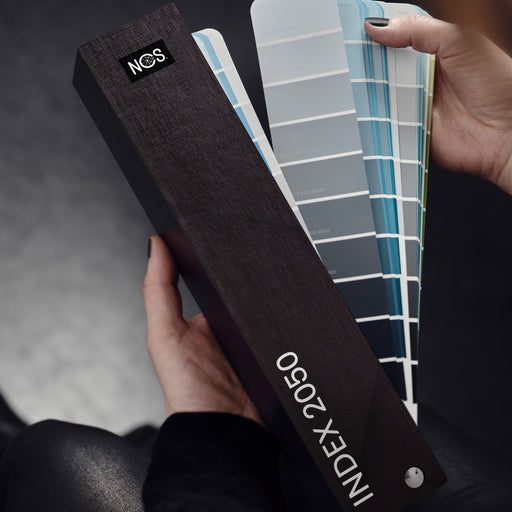
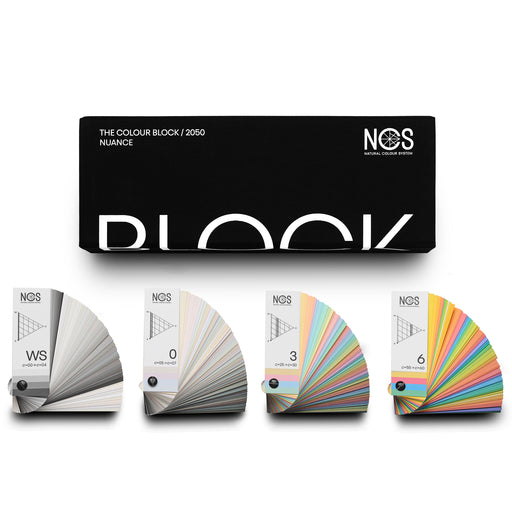
Since its founding in 1945, the Natural Colour System® (NCS) has shaped how the world sees, describes, and communicates colour. Born from a desire to create a universal language for colour, NCS has grown into a scientifically grounded system that is now used across design, manufacturing, architecture, and the coatings industry in nearly 100 markets worldwide.
The Origins of a Universal Language
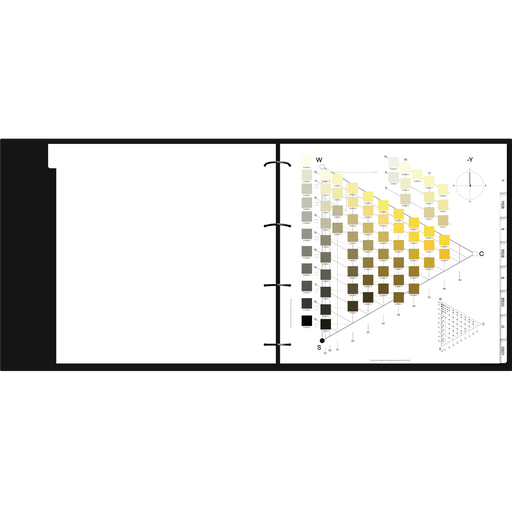
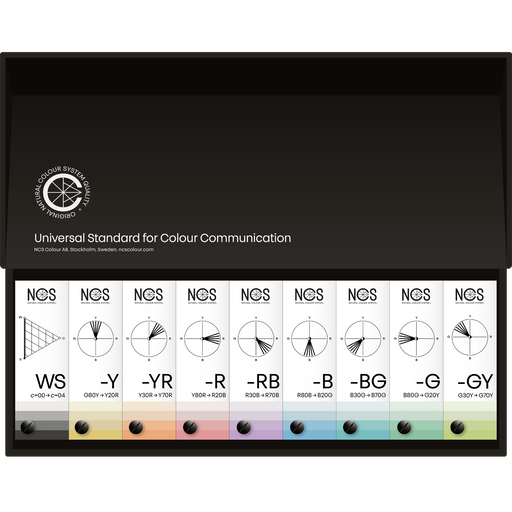
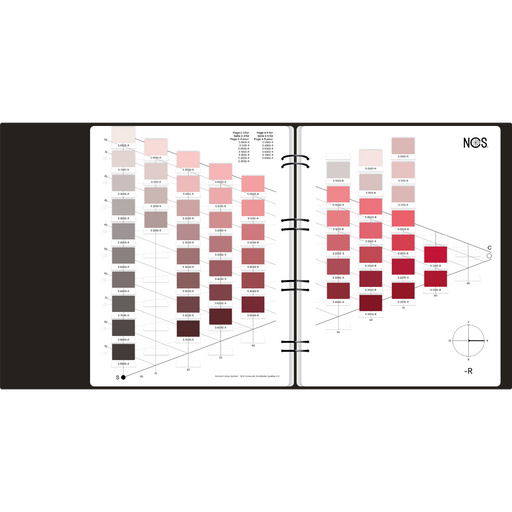
Before NCS, describing colour was often subjective — a shade of red could mean different things to different people. NCS introduced a scientific and systematic approach to colour notation, based on how the human eye perceives colour. Every colour is mapped according to six elementary perceptions: white, black, yellow, red, blue, and green.
This approach allows for precision and consistency, enabling professionals to communicate exactly which colour they mean, whether on a screen, a wall, or a product.
 A System That Stands the Test of Time
Over eight decades, NCS has become a cornerstone for colour standards worldwide. Designers, architects, and manufacturers rely on its precise notation to:
- Ensure consistent colour reproduction across materials and surfaces
- Translate ideas from concept to reality without ambiguity
- Track trends and forecast colour movements with confidence
From copper tones to deep blues, every NCS code guarantees the same colour wherever it is applied.
Celebrating a Colourful Heritage
Eight decades of NCS reflect more than just a system; they represent a shared language that has brought clarity and creativity to countless industries. Its influence spans furniture, coatings, textiles, architecture, and product design, proving that colour is not just aesthetic, but also a crucial tool for communication, design, and decision-making.
As we look back on 80 years, NCS remains as relevant as ever, a testament to the power of precision, science, and a universal understanding of colour.